I’m a UX Designer at Shelter Insurance, focused on creating commercial and enterprise applications.
I’ve designed solutions that serve 100,000+ users, and streamlined workflows for 500+ employees, reducing process time by 50%.
I design with real people in mind, and my experience has shaped how I create solutions that actually work in everyday situations.
Hi, I'm Pam. I design products that understand people, not just screens.
My work
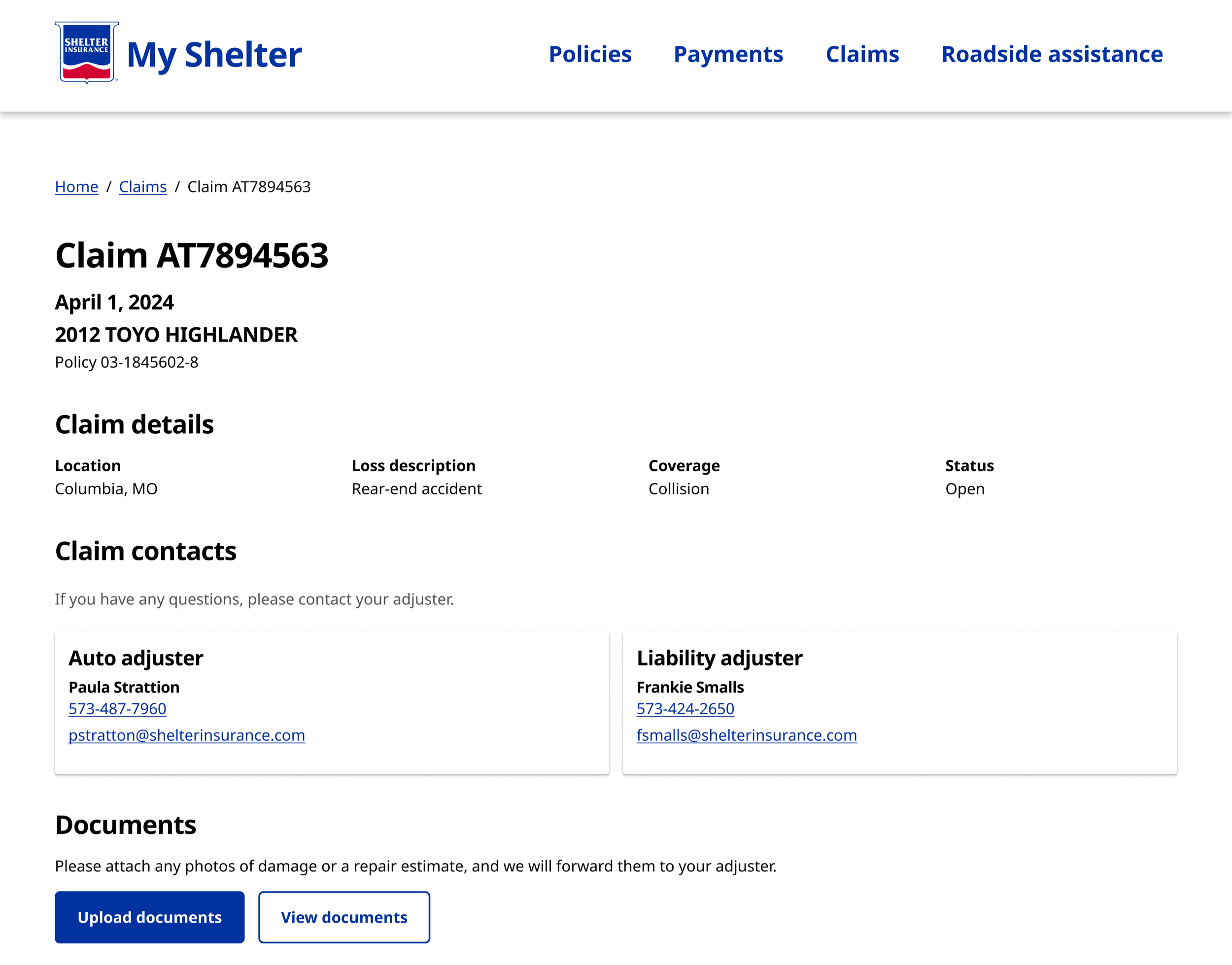
Designed a self-service claims dashboard that cut support calls by 10%
Customer service was receiving hundreds of calls asking about claims. Policyholders called to ask basic questions about their claims: status updates, adjuster contact information, and next steps. But our online tools didn't provide those answers.
I built a dashboard that lets users check claim status, upload documents, and contact their adjuster. The result: turning a 10-minute phone call into a 30-second self-service check.
Impact:
10% fewer support calls
100,000+ customers now use the self-service features
Worked with Customer Service, Claims Managers, and dev teams to ship product
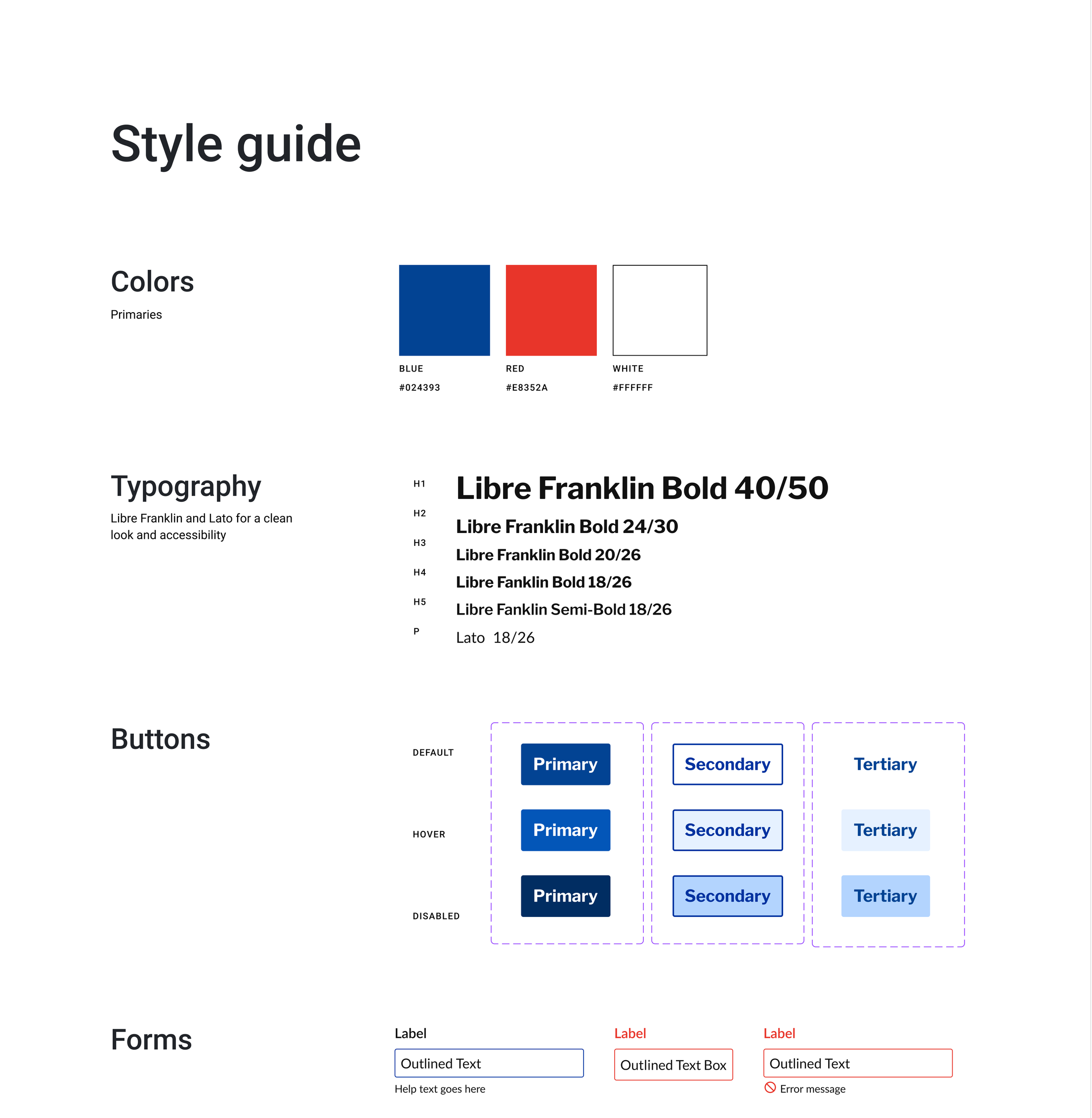
Built Shelter's design system from scratch, cutting dev time by 50%
Every team was recreating inconsistent components. Designers and developers across Shelter were recreating identical components for every project. No shared standards, no reusable code, just wasted time and inconsistent interfaces.
I researched the best systems and adapted them for Shelter. Studied IBM, Material, Clarity, and Adobe's design systems to find patterns that fit our needs. I partnered with engineering to design and build reusable components across React, Angular, and vanilla web.
Impact:
50% reduction in dev task time
First unified design system at Shelter
Now used across all internal and customer-facing products
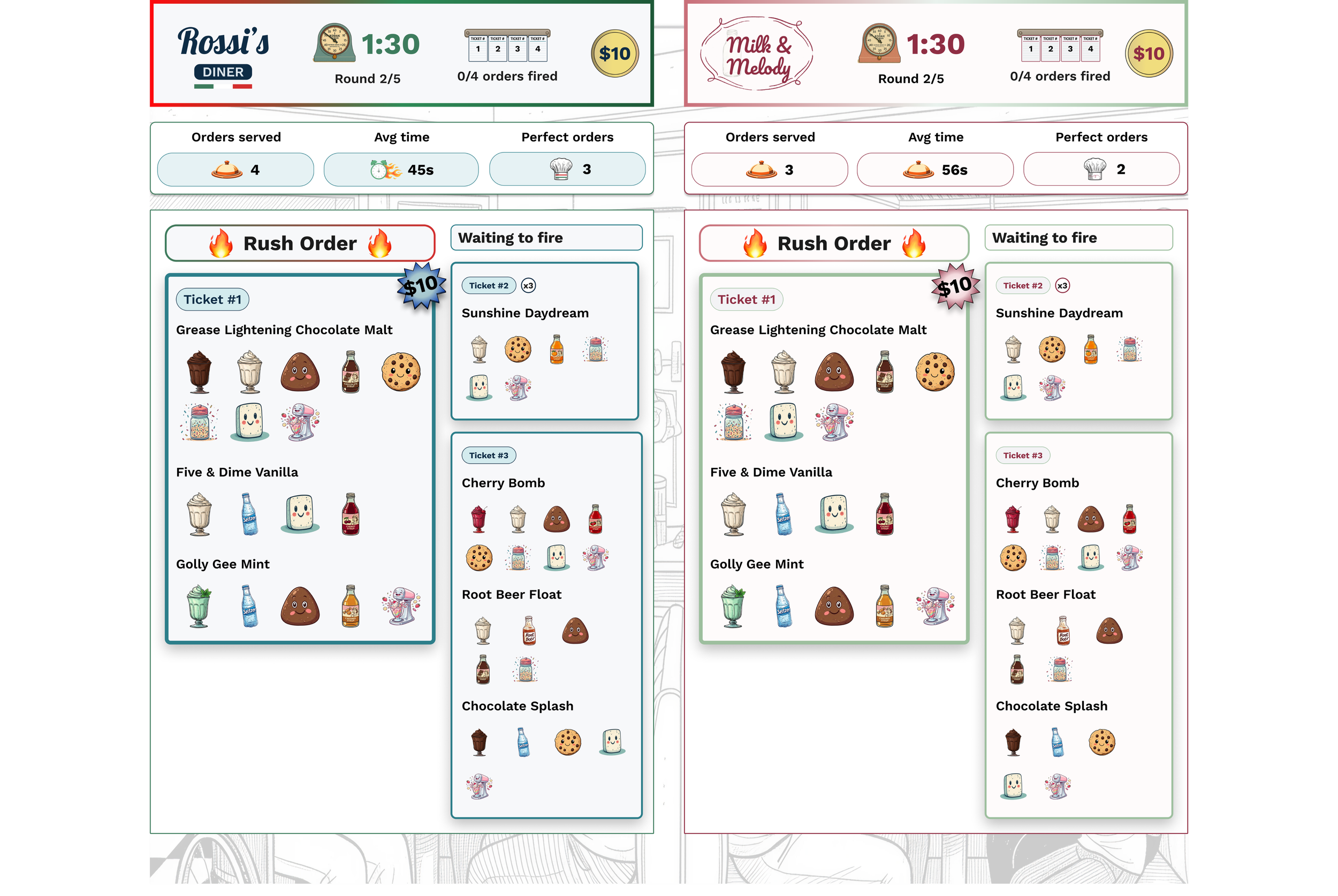
Led end-to-end UX and visual design for Iron Diner’s live action game system
Iron Diner is a live‑action multiplayer game set inside a physical 1950s diner, where players complete real actions under time pressure and watch their results play out across a network of connected digital screens.
The game is built around a simple but technically complex idea: a physical cup becomes a data point. Players carry RFID-chipped cups through the diner, collecting ingredients at physical stations. Every cup tap triggers a live update across three screens at once: the station screen, the solo player screen, and the ensemble display showing each team's progress. Two competing teams. Three rounds of five minutes with one shared system and no room for error.
Led a three-person UX design team and owned system‑level experience design, including the design system and the ensemble screens: two 60" televisions that serve as the visual command center for each team.
Scope:
3 screen types designed simultaneously
2 brand identities unified within one design system
Metrics to follow post-launch
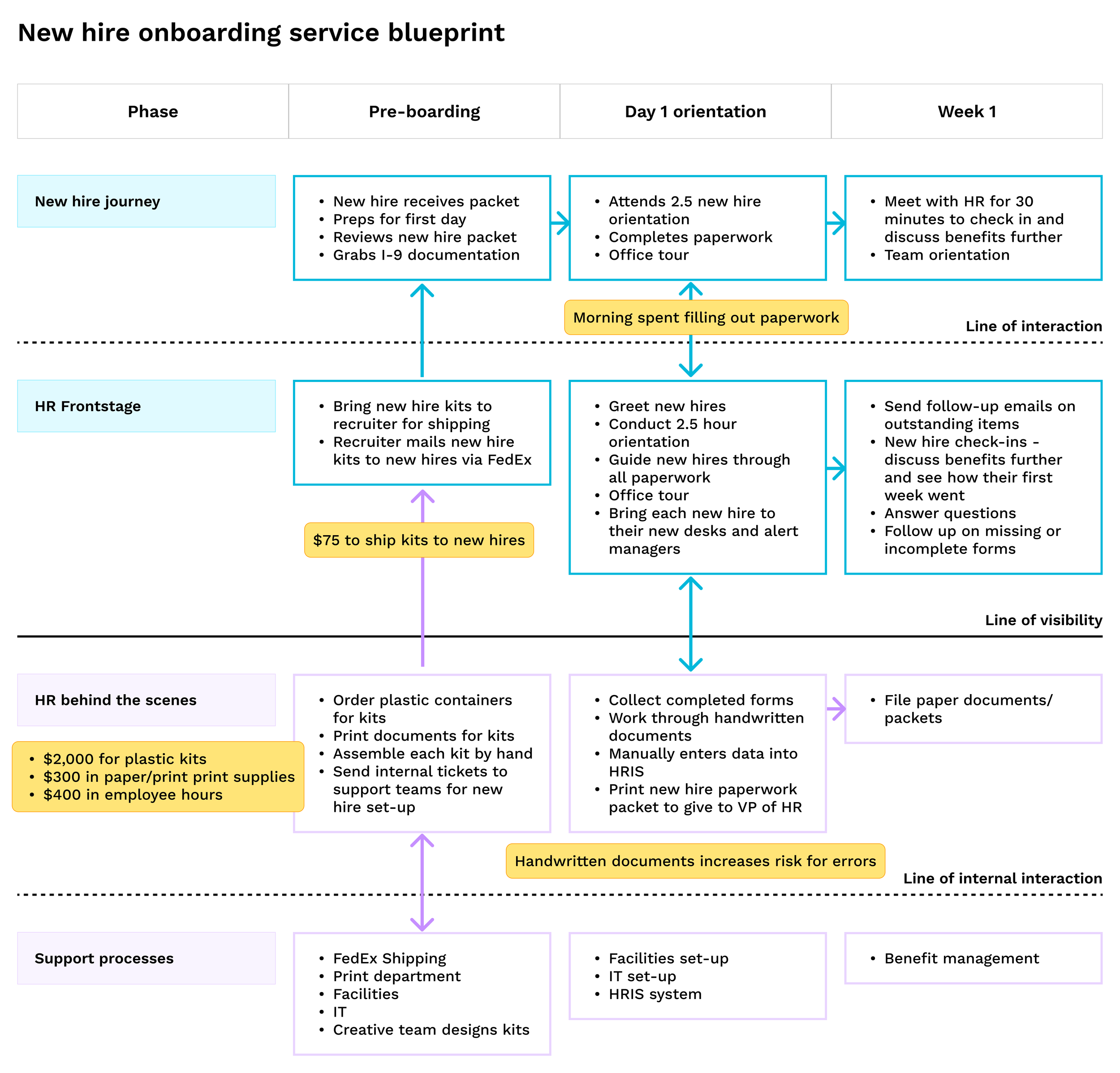
Redesigned onboarding for 500+ employees, eliminating paper kits and freeing 15–20 hours of HR time per week
Onboarding was costing the company thousands in paper, shipping, and HR time. Every new hire cycle meant assembling binders, printing forms, and FedExing welcome kits. After surveying new hires, I found that 75% thought the process was outdated and took away from their first-day experience.
I led the shift to a digital-first experience. Built the business case, then worked with IT and design to launch a pre-boarding link and resource site.
Impact:
$4,000+ saved annually in kit materials and shipping
15–20 hours of HR time freed per week
New hires reclaimed their first morning for their teams, not forms